
It is unnecessarily difficult and expensive to screen turtles for disease in Connecticut. It could be just as difficult elsewhere; I don’t know. What I do know is that it’s a pain in the ass.
When you become a turtle rehabber, one of the things that is impressed upon you is to keep each patient separate, wash and sanitize hands and equipment in between each patient, and never release a turtle outside of his/her home range, because they could spread deadly diseases to each other and maybe even to you. And that is about where the detail ends. If you’re lucky, you jot down some disease names that are rattled off at a seminar, finally making the specter of “deadly diseases” more than an abstract concept to you. Maybe you then go poking around online and discover just how horrible some of these diseases are, and the fact that some patients could be harboring them unknowingly, without symptoms, and pass it on to others who will develop symptoms and eventually die is too scary to think about. And yet, think about it you must.
The Big Three that you need to be aware of in turtles are:
Herpesviruses (info here)
Ranaviruses (info here, here, here, and here)
Mycoplasma bacterias (info here)
If you do decide that you want to test for diseases, the process in CT is so convoluted and difficult to navigate if you’ve never done it before. I have exchanged 7 emails over the course of 9 days with the one and only lab that does wildlife disease testing in my state and I still didn’t know exactly what I was supposed to be doing until I got there. The tests I want aren’t listed on their website/price list. The form they sent me doesn’t have the tests they told me the prices for (you have to write them in, but they don’t tell you that, so I thought they’d sent me the wrong form at first). They told me that to do one of the tests I needed to use some particular chemical preservative so they could culture the bacteria, and I had to google what it was. Then I couldn’t find anyplace to buy it without being a medical institution. The places I could find didn’t have prices listed, or, the ones that did had crazy high prices and only sold in bulk. Like, I don’t need 30 pounds of the stuff. And then, for giggles, I looked at the directions on how to use the chemical and it’s got all sorts of processes and steps that you have to literally be a lab worker to understand or have access to the equipment to be able to prepare it properly.
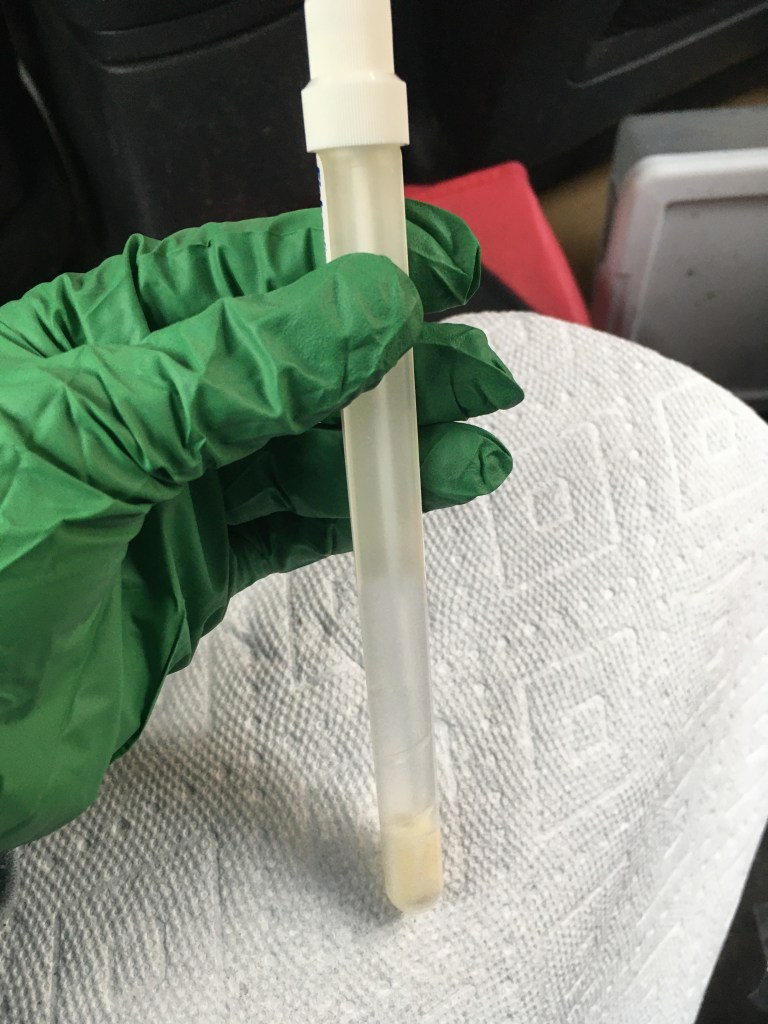
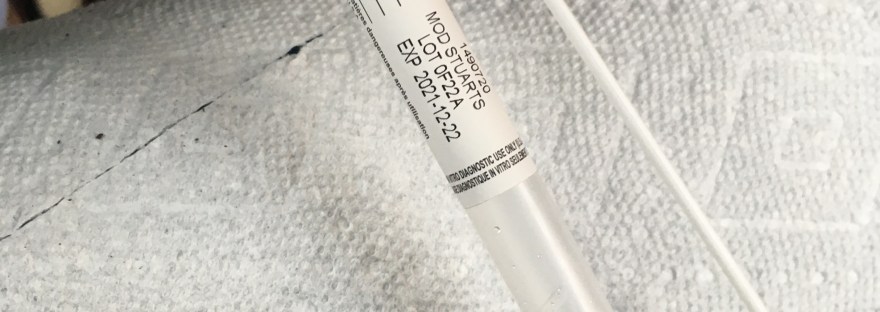
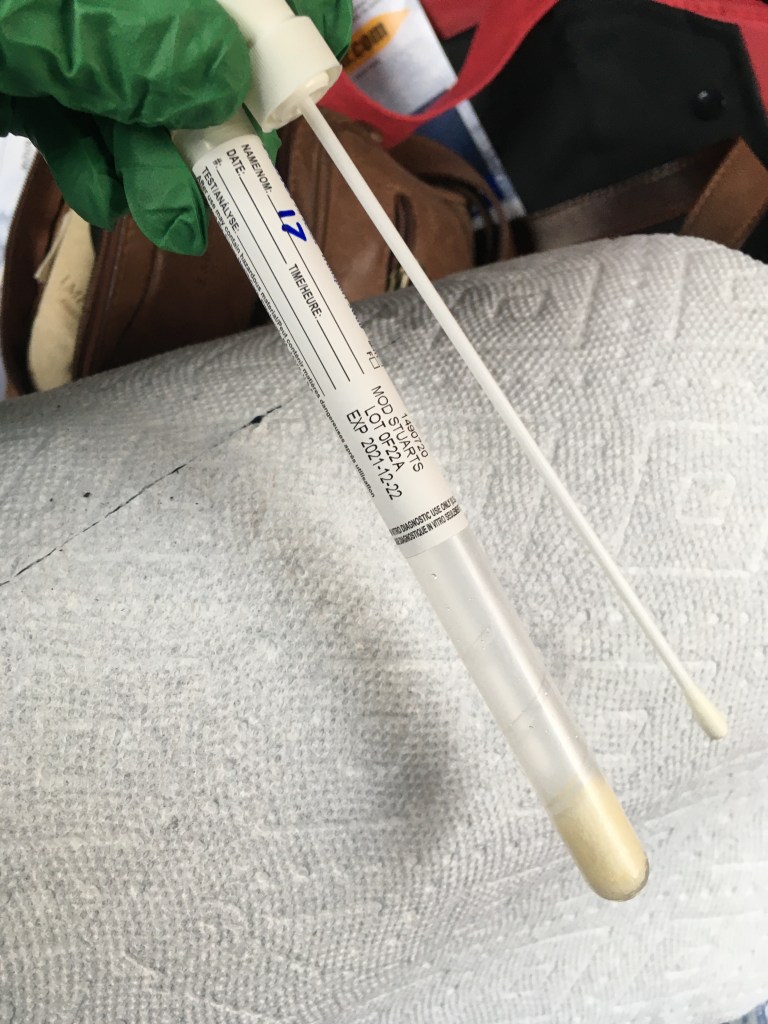
THEN, when I was like, “Okay, I’ll skip those tests but can you still do the other ones?” they were like, “Yeah, no problem, just bring us some swabs in sterile vials.” and I send them a link to the only medical-grade sterile vials I can find online without being a laboratory and they’re like, “Nope, for reasons we aren’t going to bother to expound upon, those won’t work. We’ll sell you the right ones, though, for probably way more apiece than what it would cost you to buy 50 of them if anyone in the world wanted to sell them to you.” (I’m paraphrasing here.)
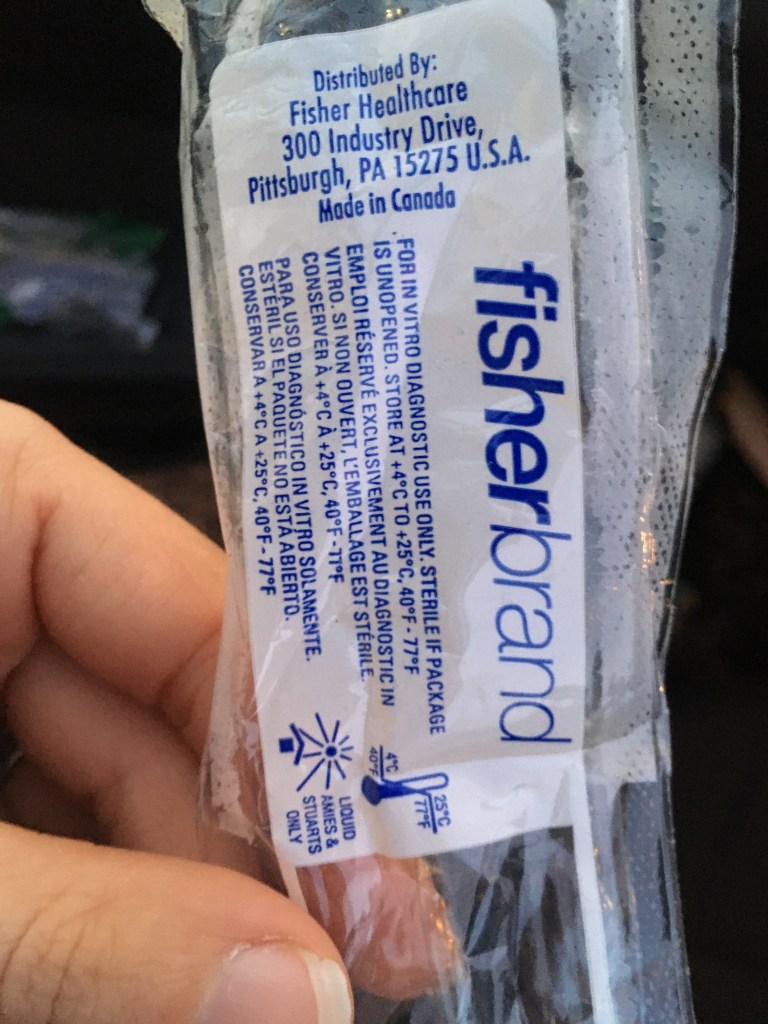
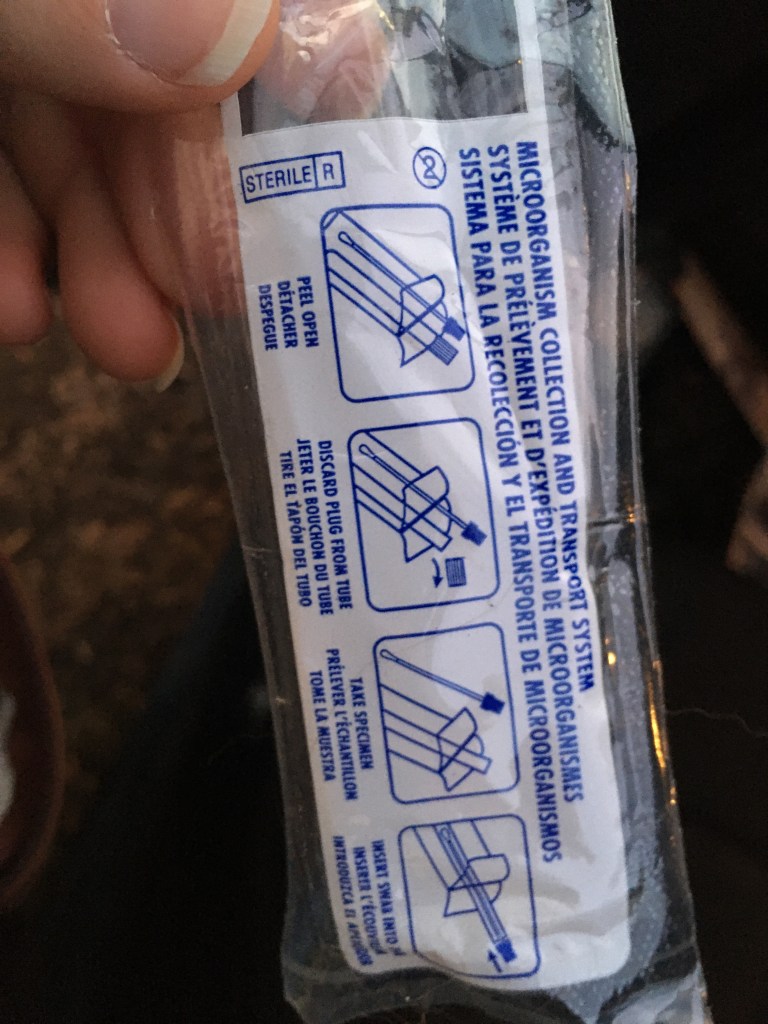
Like, seriously, $15/test kit, when I can buy 50 sterile vials for $30. But they’re not good enough, somehow. I looked online later for the exact brand and product number for the kits they sold me, and I found it. It costs a little more than $2/swab, and their kit that they sell you from the state lab has 3 swabs in it. It costs them $6 and they sell it to you for $15. I suppose the markup could be worse, but still. The actual tests are ridiculous, so it’d be nice if they cut you a break on the damn swabs.
The tests themselves are insanely expensive:
Herpesvirus: $95 for test regardless of if positive or not (sequencing doesn’t cost extra for this one)
Ranavirus: $60 test + $25 for sequencing if sample is positive
Mycoplasmas: $60 test + $25 for sequencing if sample is positive

So, if you’re testing for all three and they come back negative, it costs you $230/turtle. If they come back positive, it costs you up to $280/turtle.
And if you have a day job and can’t get to their lab, which is over an hour drive for most people, M-F before 4:00, it costs extra to mail the kits to you and you have to mail it back with some special packaging and shit that also costs extra.
The entrance to the lab itself is also hidden and I got lost getting there using the address they gave me and GPS. I wound up driving around the campus for a while before finally getting someone from the lab to answer the phone and give me landmarks to look for to find the hidden driveway to take to the small, half-concealed door around the back of the building. Because I have limited time off during the week to make these kinds of trips, I brought the turtle with me and swabbed it in the car. They don’t allow actual animals in the building nor do they do any of the sampling with/for you. Despite all this, once I actually got to the lab, the people at the front desk were actually pretty nice. Given how unnecessarily long it took me to get a straight answer on how any of it worked via email, this was a pleasant surprise to me. So you go in, get your swabs, wrestle a turtle in the backseat of your car to get a sample, then go back in with the swabs for them to test. The results take a few weeks and they bill you later. Interestingly, the instructions they send with how to pay the bill online are much more clear despite being more complicated than the actual testing process.
And if you go to your vet and ask them to do the tests thinking it might be easier, they either: A: Can’t/Won’t do it and tell you to go directly through the lab, or, B: Will upcharge you so much for it that already-high testing costs become astronomical, or, C: Say they’ll get back to you with an answer and then ghost you.
So, to recap: $230-$280/turtle, plus two hours at least of driving time and gas money during a regular workweek when you have to be at your day job, plus instructions and forms that are not clear. No wonder nobody tests their rehab patients for deadly diseases and just keeps them separate and prays.
And yet, the authority on reptile conservation in the country recommends regular testing for all patients for several pathogens as the “gold standard” of care. They admit in their document that not everyone will have the ability to test as often as suggested, but they seriously understate how inaccessible this stuff is to regular rehabbers.
The boogeyman of “diseases” is the main reason the authorities don’t want kidnapped wild turtles returned to the wild, even if you know where they came from half the time, if it has been illegally possessed by a member of the public for any length of time. The state doesn’t even tell you what diseases they’re afraid of; I had to look them up on my own, which makes me think they don’t actually know which diseases they ought to be on the lookout for. When asked what to do with a confiscated wild pet, they suggest trying to find a nature center with a federal permit who will keep it in an enclosure. As if there are so many of them with unlimited space, staff, and budget that are just clamoring to take in a bunch of long-lived animals that would do just fine out in the wild. Maybe if testing were accessible, the warehouse of illegally-kept pets living in limbo in rehabber rooms could be screened and quarantined and returned to their natural environment. But with the lack of guidance and assistance from the state on these matters, I’m not really shocked and can’t really blame people who “found a turtle” in their backyard and kept it for a while just giving up and throwing it back outside when they get tired of it. They make it hard for the public and even harder for rehabbers to do the right thing for the turtles.
If there were a reintroduction framework, like, “must test negative for these diseases and be quarantined for this long”, it would be relatively easy to write a specific grant funding request to cover the cost of testing confiscated turtles as one step in the process of reintroducing them to the wild. Right now, though, it’s basically impossible to put confiscated native CT turtles back out there if you’re not sure where they came from or if they’ve been held captive for any extended period of time, regardless of their apparent health. This is such a shame, because there are dozens of turtles that I know about (and probably hundreds that I don’t) which can’t be put back in the wild solely due to red tape and murky policies. Every native turtle population in our state is struggling, and what a boon it would be if healthy, breeding adults could be put back into the environment after years in captivity.
This kind of gap in the state’s conservation strategy doesn’t help make the case for the public to surrender wild-pilfered turtles to rehabbers either. If someone has had a turtle for months or even years and you tell them that they should give it to a rehabber because regular people aren’t supposed to have them, and you can’t make an argument about how them handing it over will be helping their wild population, it gets harder to convince them to surrender their illegal pet. This is especially true in the (admittedly rare) instances when the pilferer or whoever they gave it to at least did some research and is actually taking good care of the animal. How is it any better for a turtle to be sitting in a perfectly good tank in a regular person’s house versus them sitting in the same exact setup in a rehabber’s house? It’s not functionally different for the turtle; s/he’s being taken care of either way. It’s not doing any favors for the wild population sitting in a rehabber’s house versus a regular person’s house. Regardless of legality, people get attached to and feel entitled to hold onto turtles they’ve stolen from the wild, and if you can’t assure them that their surrender of the animal is for the greater good, that’s going to be a tough sell.
There are no state-sanctioned reintroduction or head-starting/captive breeding programs for our native turtles that I’m aware of. USDA permits that a rehabber could theoretically get to permanently house these turtles deemed as “unreleasable” due to lack of provenance knowledge still doesn’t permit breeding or reintroduction to the wild. There’s no license to get or test to take for a rehabber or anyone else to legally breed and release head-started native species, but there’s certainly a need for it. Several other states have programs like this for certain endangered native species, and there are tons of organizations (zoos, aquariums, non-profits, etc.) that have assurance colonies of endangered animals from the other side of the world…so why not us? Why not here? Why no locally-led initiative to test, quarantine, breed, head-start, and reintroduce threatened (or even common) native species involving rehabbers, who are on the front lines of this problem? For large-scale poaching and trafficking of turtles, there is a program where zoos and aquariums around the country step up to house and help determine the fate of large seizures of kidnapped turtles previously destined for smuggling out of the country. But there are significant numbers of turtles flying under the radar here which aren’t part of some major crimes organized smuggling ring. There are tons of average people who take turtles from the wild because they don’t know any better, and once confiscated, most of those turtles never make it back to their home habitats. A little bit of guidance could change that. We need a framework for reintroduction criteria for confiscated individual native turtles that appear healthy. This would necessarily include disease testing but could also conceivably include things like genetic testing and using data that the state should have access to about which areas are in greatest need of an influx of turtles to bolster the population.
I feel like I’ve gone off on a tangent here, and touched on a few different but related problems with rehabbing as it currently stands in our state. The longer I do this, the more questions I have without answers and the more gaps I notice in official policy and guidance. I’m certain a lot of this has to do with funding. Anything environmental is chronically underfunded at all levels of government and turtles just aren’t the priority they should be.

 Turtle Haven
Geez – I had no idea how much BS you have to deal with for trying to help these wonderful creatures. 😦 It sounds like a truly ridiculously thankless job! Thank you for caring for them and for taking the time the way you do to help educate the public and to give advice to lay people like me when we end up with neglected pet turtles. You are a really good human.
LikeLike