
One more hurdle out of the way on my journey to become a wildlife rehabilitator. You need at least 80 out of 100 to pass, and I got a 96. I’m a little miffed I didn’t get a perfect score, but the one I got is good enough for government work, as they say.

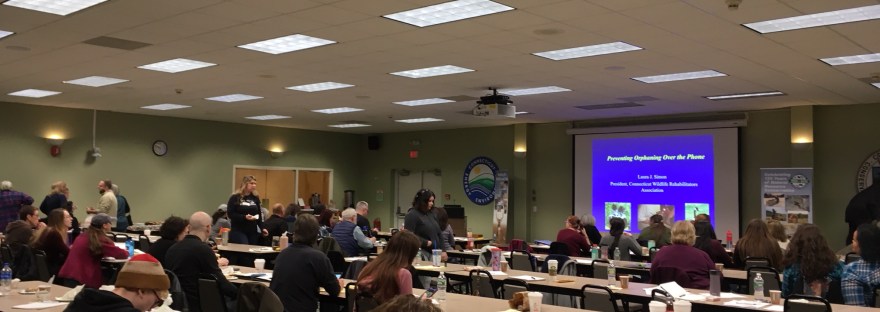
There was this all-day class right before the test where they supposedly went over everything that would be on the test. They went over most of it, but some things on there they didn’t mention at all and weren’t in the study manual I read ahead of time. There was also one question that I distinctly remember that the person presenting said the answer was one specific thing, and so when I got there on the test, that’s how I answered it. They gave you the answer key to look over after you turned in your test to give you an idea of how you did before they officially scored everyone, and the correct answer was the exact opposite of the one the teacher gave!
The test and class were mostly about birds and squirrels. They barely even mentioned reptiles or amphibians and gave zero information on how to care for them if a rehabber happens to get one in. I’m so glad I went to that turtle seminar last month. It’s good to know at least a little bit about all the animals, even if I’m not planning on caring for non-turtles. Apparently, people will call you about any old animal if you’re listed as a rehabber and not pay attention to what you’re specified for on the DEEP’s website. Not surprisingly, most animals found are not actually orphaned or in need of help like well-meaning citizens think. Many, many animals leave their young alone for long periods of time for their own protection while the adults go out to gather food, and the babies are safer if you just leave them alone. It’s valuable to have that basic knowledge base if you get a call as a rehabber so you can talk them through why they shouldn’t kidnap an animal and try to raise it, and how to tell if it really is in need of help.

I couldn’t help noticing that most of the people in the class were a generation older than me, and mostly women. I’m guessing rehabbing is the thing to do once you retire and have money lying around and time to spare. I’ll likely never know what any of those things are like. Anyway, I’m glad that’s all behind me. Now I can focus on hands-on learning and preparing for turtle season.
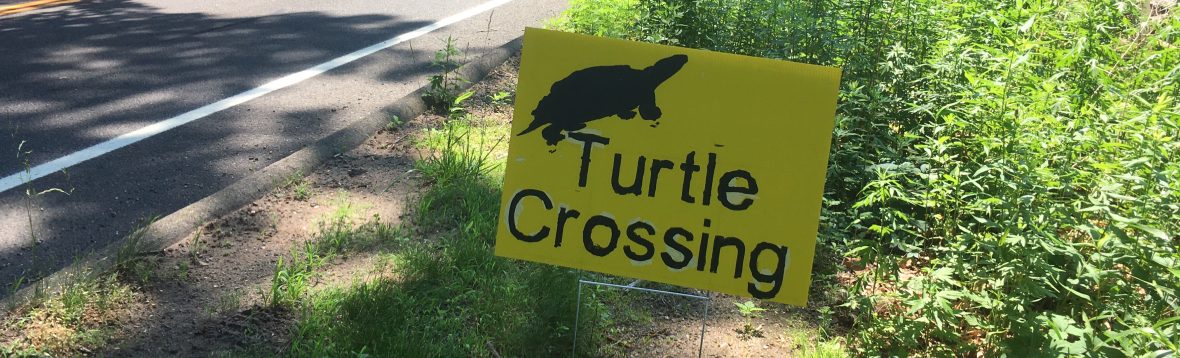
Once turtle season starts, I’ll be volunteering with my mentor Pam to reinforce everything from the turtle seminar and also get the required 40 hours done for my rehabber application. Once I do my hours, that’ll leave the application itself, which doesn’t look too hard, but you have to go into a lot of detail and take pictures of your setups and stuff. Right now, my setups aren’t complete, so I’m going to wait on that part of the application. But I’ve got two out of four steps done: get a supporting veterinarian, pass the test.
I did find another vet who will actually just sell me the medications I need to have on hand for when I get an animal after business hours, but that does mean I’ll have to pay for them. I spent the first $100 from my GoFundMe on a unit of rehydration fluid, injectable antibiotics, and antibiotic cream. It got me what seems like a decent amount of it all, but I have no idea how long it will last. I contacted a medical supplier for some other stuff that Pam recommended to me, and it took them 2 weeks to get back to me. In my message, I asked them how to become a customer (you can’t just buy their things from their website without a sales rep), and for price quotes for a few items. In the two weeks that they took to respond, they had nothing better to say than, “Please provide your customer ID # with your inquiry.” Seriously?! Two weeks and they didn’t even read my email? If my first question is, “How do I become a customer?” WHY would they think I had a customer number to give them? I was a little snarky in my reply, and I’m hoping the next person actually reads the damn help query. It’s kind of frustrating. I like to be prepared for things. Being prepared makes me calmer and freak out less because I know I can handle whatever’s coming my way. A few more supplies and hours of training and I’ll be more confident about helping turtles get better.


 Turtle Haven